
Ultimate Guide to Pet Services for Better Pet Care
Pet services are crucial to preserving the general wellbeing, cleanliness, and health of companion animals. Services like grooming, sitting, and boarding have developed into organized, expert options that promote appropriate pet care as urban lifestyles get busier. Pet owners can make well-informed decisions depending on their pet’s needs, routine, and temperament by knowing what each service entails.
Pet Grooming

Pet grooming is a thorough maintenance and hygiene procedure that goes beyond simple cleaning. It is crucial for a pet’s comfort and physical well-being in addition to their beauty. The breed, coat type, age, and lifestyle of the pet all affect the grooming needs. It is frequently seen as a crucial component of pet services.
Bathing, brushing, and drying are usually included in a routine grooming session. While brushing stops matting and minimizes shedding, bathing aids in the removal of debris, allergies, and parasites from the skin and coat. Regular brushing is especially crucial for long-haired breeds to prevent uncomfortable tangles and skin irritation.
Hair trimming or clipping is another key aspect of grooming, especially for breeds with continuously growing coats. Proper trimming helps maintain coat health and prevents overheating in warmer climates. Nail trimming is also crucial, as overgrown nails can cause discomfort, affect posture, and even lead to joint issues over time.
Other grooming habits include dental cleanliness, which can lower the risk of gum disease and poor breath, and ear cleaning, which helps avoid infections brought on by wax accumulation or dampness. Tick and flea treatments may also be part of some grooming regimens, particularly in areas where parasites are prevalent
Overall, grooming contributes significantly to early detection of health issues such as skin infections, lumps, or parasites, making it an important preventive care activity.
Pet Sitting

Pet sitting is used to describe the short-term care of a pet while its owner is away; this care is usually given at the house of the pet or the sitter. The purpose of this service is to preserve the pet’s daily schedule and lessen the stress that may result from environmental changes. It’s a crucial component of pet services.
The ability to keep pets in a familiar environment is one of the key benefits of pet sitting. Staying at home can help reduce anxiety in animals, especially dogs and cats, who are frequently sensitive to changes in their surroundings. When it comes to feeding times, walks, playtime, and rest periods, a pet sitter typically adheres to the pet’s set schedule.
Companionship, which is crucial for sociable animals, is another aspect of pet sitting. Loneliness and behavioral problems like excessive barking, itching, or withdrawal can be avoided with regular engagement.
Basic health monitoring is sometimes included of pet sitting. Sitters may be in charge of giving medication, monitoring behavioral shifts, or spotting symptoms of illness. For older pets or those with health issues, this can be especially crucial.
Depending on the demands of the pet and the length of the owner’s absence, pet sitting services might range from quick daytime visits to overnight stays.
Pet Boarding
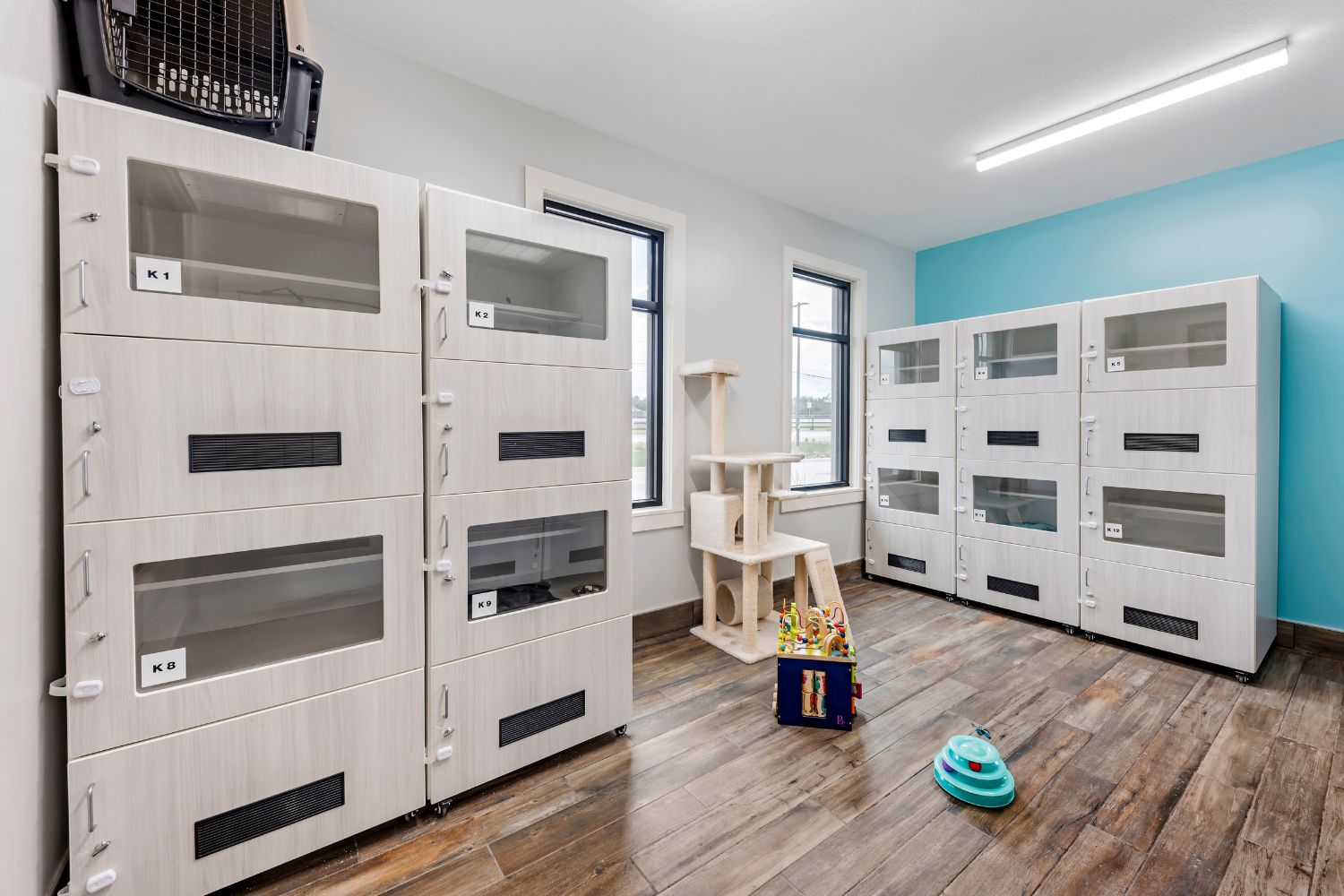
It entails keeping a pet in a special facility or at home for a prolonged amount of time, like when traveling or having a significant work commitment. In contrast to pet sitting, boarding necessitates the pet’s relocation, which has advantages and disadvantages. It’s a crucial component of pet services.
Usually, these facilities are made to offer a controlled setting with spaces set aside for play, eating, and sleeping. Dogs can interact with other animals during supervised group play sessions at several facilities.
Regular exercise, relaxation periods, and scheduled meals are all part of a standard boarding regimen. In addition to providing extra services like grooming or basic training while the pets are there, staff members keep an eye on them to make sure they are safe and healthy.
Boarding arrangements for younger pets, like pups, could involve greater supervision, shorter activity sessions, and more frequent feedings. Due to their higher activity levels and developmental needs, puppies frequently need extra care.
But not every pet is a good fit for boarding. A cautious introduction or alternative care choices may be necessary for animals who are extremely nervous, aggressive, or unaccustomed to social settings. When selecting boarding, it’s crucial to take the pet’s temperament and past experiences into account.
Understanding the Differences
While grooming, sitting, and boarding all fall under the umbrella of pet services, they serve very different purposes:
-
- Grooming focuses on hygiene, appearance, and preventive health care.
-
- Pet sitting provides short-term, routine-based care in a familiar environment.
-
- Boarding offers longer-term accommodation with structured care and social interaction.
Each service addresses a specific aspect of pet care, and in many cases, pet owners may use a combination of these services depending on their lifestyle and the needs of their pets.
Final Verdict
Pet services, which promote the mental and physical health of animals, have grown to be an essential component of contemporary pet ownership. Pet owners may make sure that their animals receive the proper care in various circumstances by being aware of what grooming, sitting, and boarding entail. The pet’s personality, health, and degree of familiarity with unfamiliar surroundings or people all play a role in selecting the best service.
References
For Pet Grooming Information
-
- American Kennel Club
https://www.akc.org/expert-advice/health/dog-grooming-tips/
Covers basics of grooming, coat care, and hygiene practices
- American Kennel Club
-
- ASPCA
https://www.aspca.org/pet-care/dog-care/dog-grooming-tips
Focuses on safe grooming and pet health
- ASPCA
For Pet Sitting Information
-
- Pet Sitters International
https://www.petsit.com/pet-sitting
Explains what pet sitting is and how it works
- Pet Sitters International
-
- Rover
https://www.rover.com/blog/what-does-a-pet-sitter-do/
Breaks down responsibilities and expectations of sitters
- Rover
For Dog Boarding Information
-
- Humane Society of the United States
https://www.humanesociety.org/resources/choosing-pet-boarding-facility
Guide on boarding facilities and what to look for
- Humane Society of the United States
-
- VCA Animal Hospitals
https://vcahospitals.com/know-your-pet/boarding-your-dog
Covers boarding expectations and pet preparationBoarding arrangements for younger pets, like pups, could involve greater supervision, shorter activity sessions, and more frequent feedings. Due to their higher activity levels and developmental needs, puppies frequently need extra care.
- VCA Animal Hospitals